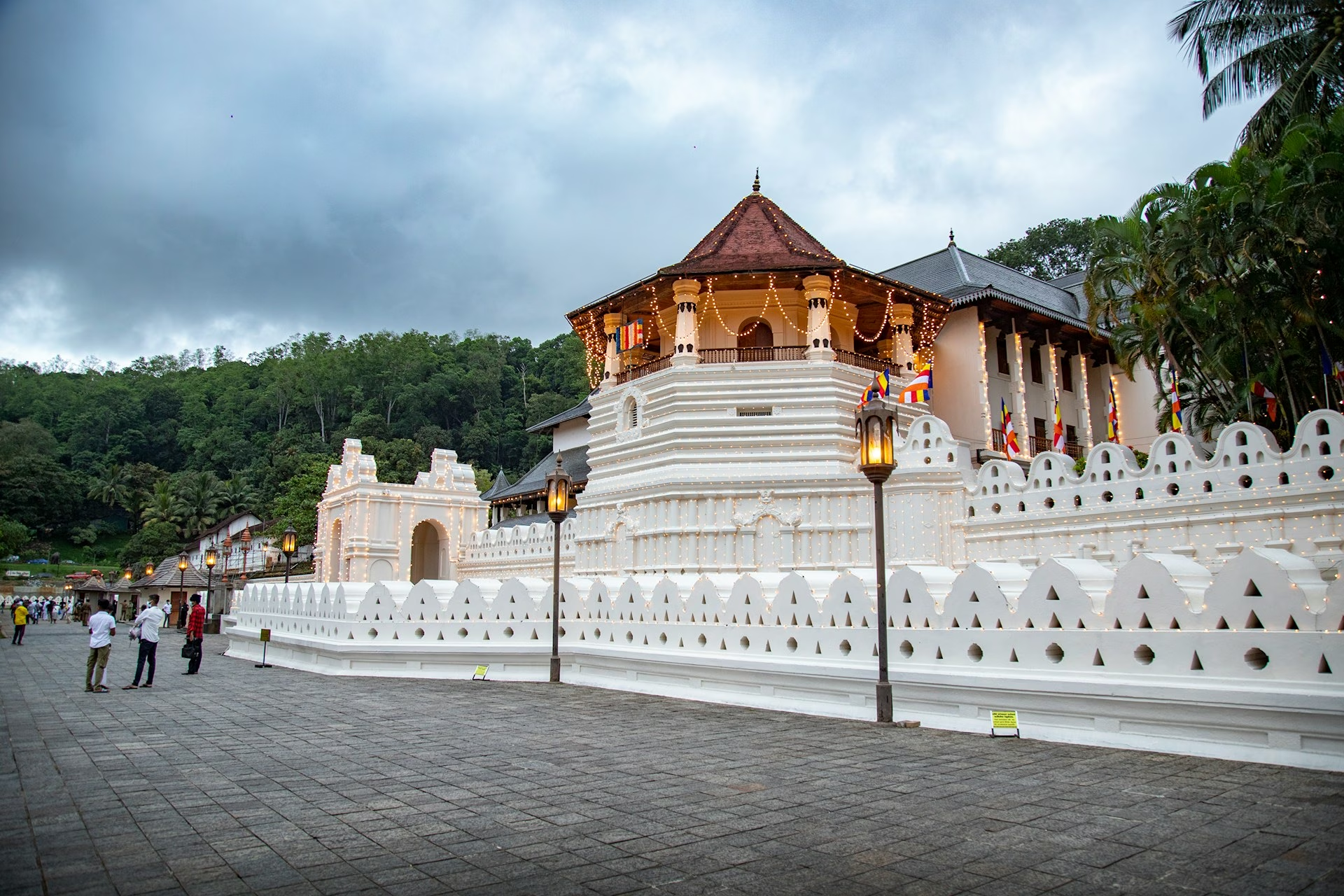
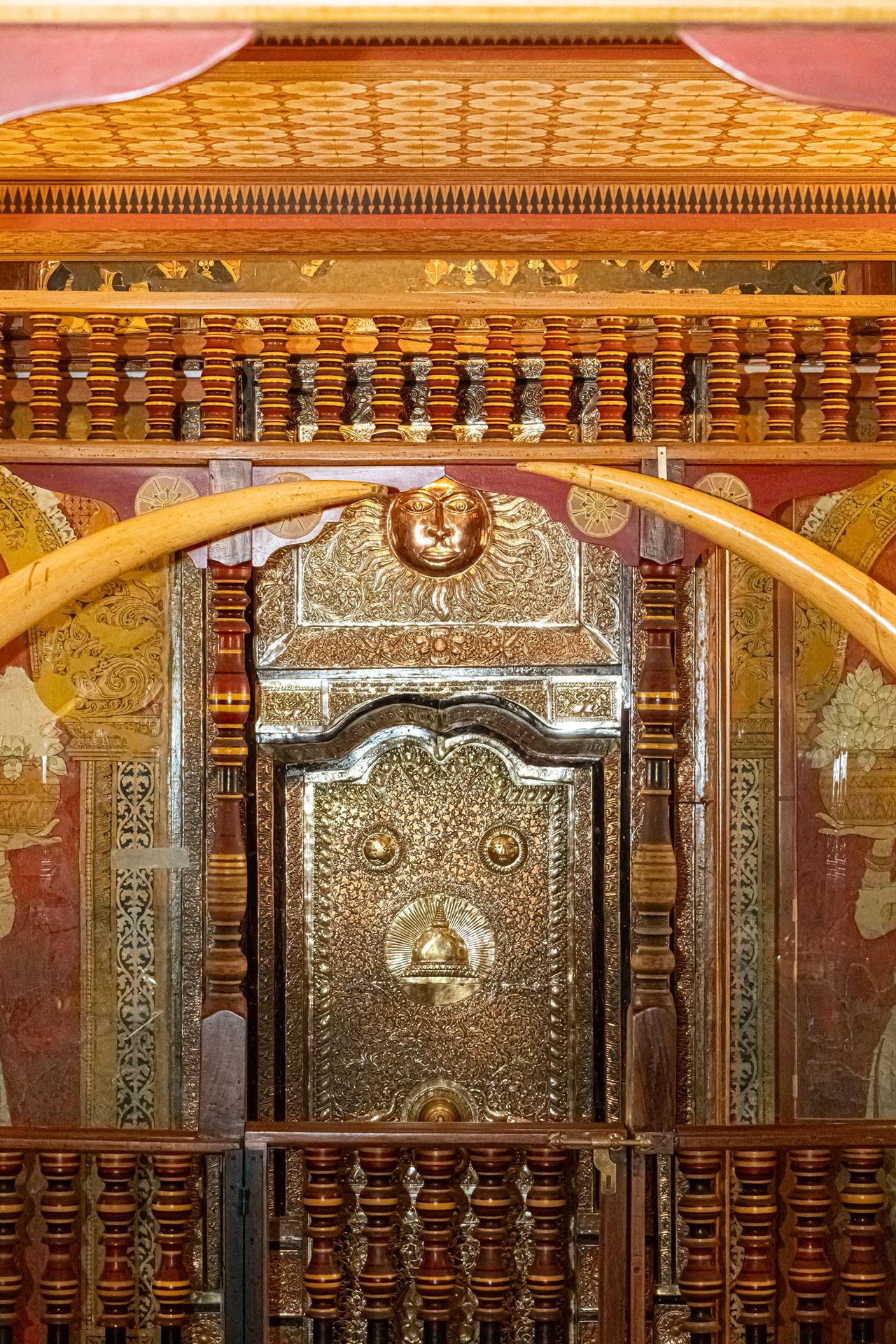
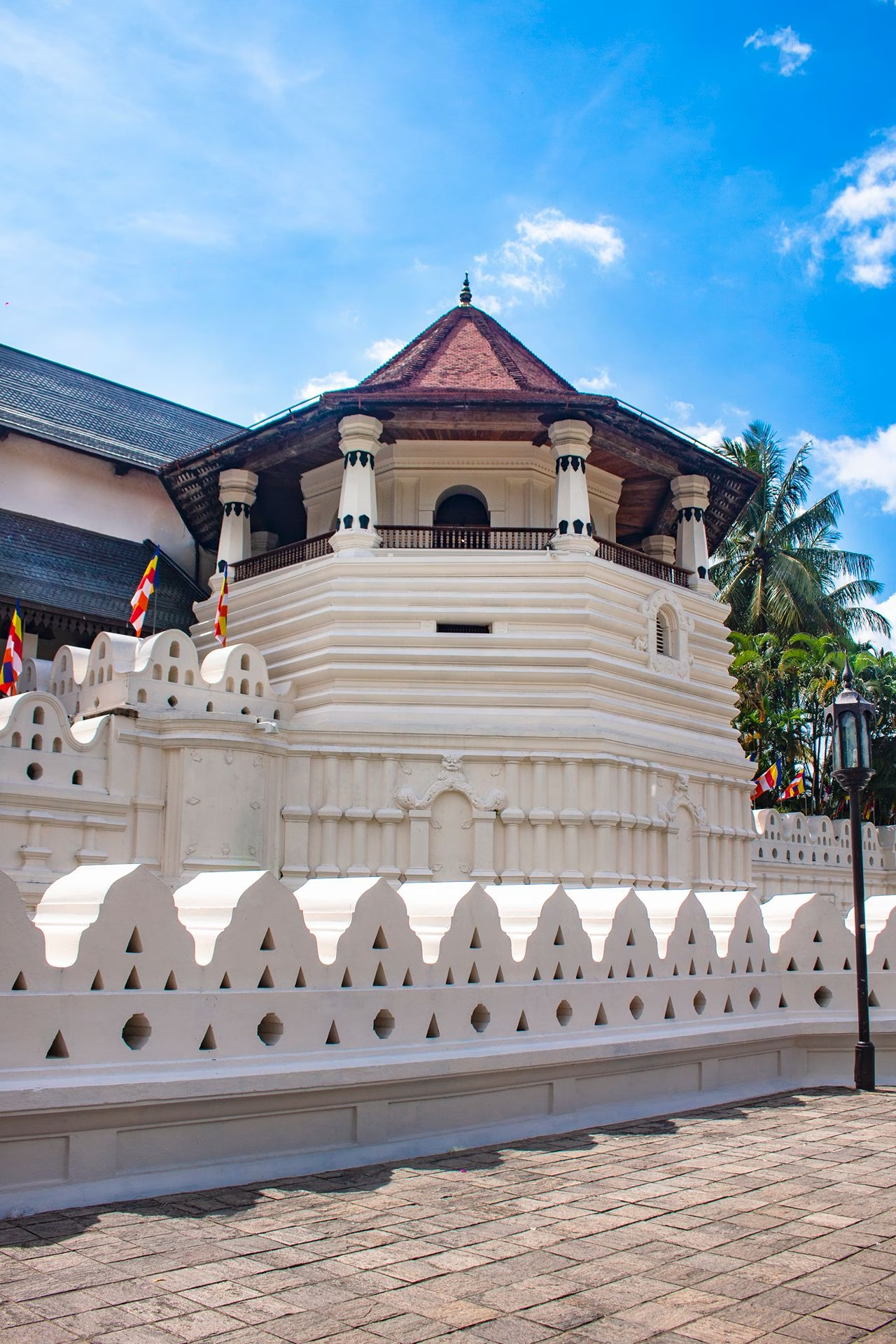
Kandy’s most important sacred landmark and the spiritual heart of the UNESCO-listed Sacred City. The temple attracts Buddhist pilgrims from around the world and gives foreign travelers a direct introduction to Kandyan history, architecture and living religious tradition.
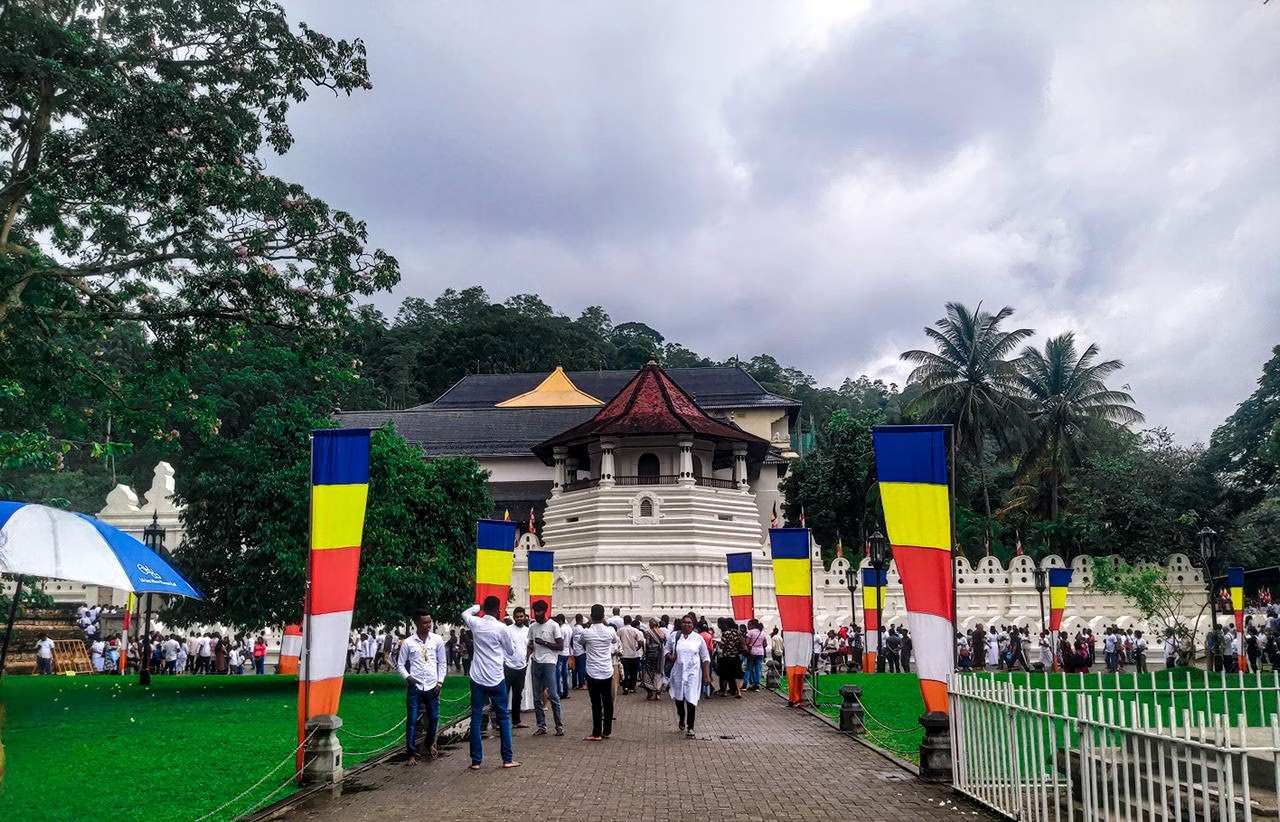
Sri Dalada Maligawa, or the Temple of the Sacred Tooth Relic, stands within Kandy’s former royal palace complex and houses the Sacred Tooth Relic of the Buddha. Kandy was the last capital of the Sinhala kings before the British occupation in 1815, and UNESCO inscribed the Sacred City of Kandy on the World Heritage List in 1988. The temple remains a living place of worship rather than only a historical attraction, so visitors should approach it with the same respect they would give an active religious site.
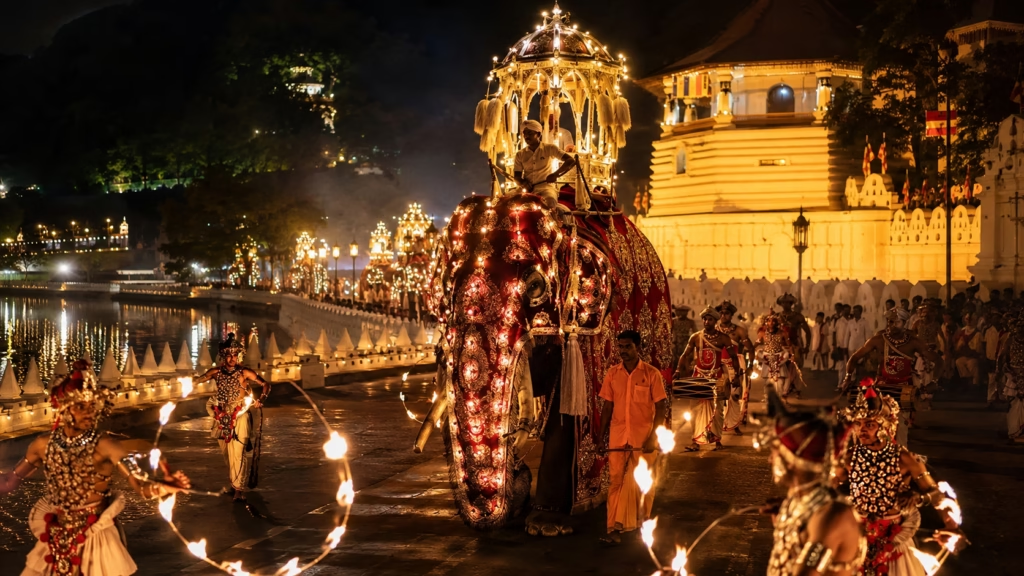
Early morning is useful for a calmer visit, while daily ritual periods can provide a stronger sense of the temple’s living religious role but may also attract larger crowds. During the Kandy Esala Perahera season, the wider city becomes much busier and access arrangements can change.
Check current temple notices before visiting during major religious events or the Esala Perahera period.
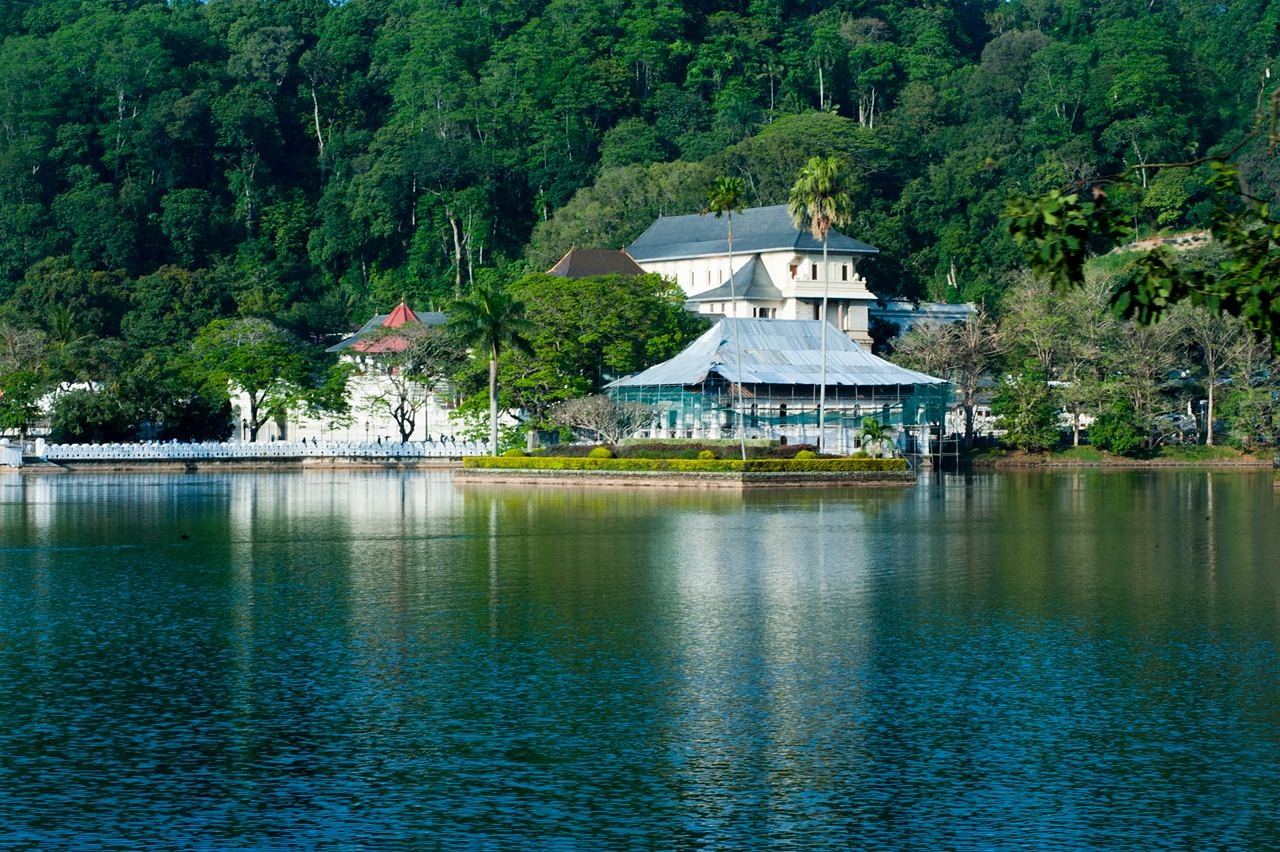
The temple is in the historic core beside Kandy Lake and can be reached on foot from many central hotels and attractions.
Ask to be dropped near the public visitor entrance to Sri Dalada Maligawa rather than using a generic Kandy city pin.
Dress modestly, remove footwear where required and follow temple staff instructions. Avoid obstructing worshippers, keep noise low and respect photography restrictions in sacred areas. Do not touch religious objects or enter restricted sections.
Treat the temple as an active place of worship. Photograph respectfully, do not use religious spaces only as a backdrop for staged content, and avoid intrusive filming during ceremonies.
It is a central part of the UNESCO-listed Sacred City of Kandy, inscribed in 1988.
Cover shoulders and knees and be prepared to remove shoes before entering temple areas.
Around 1–2 hours is practical for most first-time visitors.
Yes. International visitors are welcome, but the site is an active Buddhist shrine and respectful behavior is essential.
It is an annual religious festival generally held in July or August. Exact dates change each year, so check the current festival schedule.
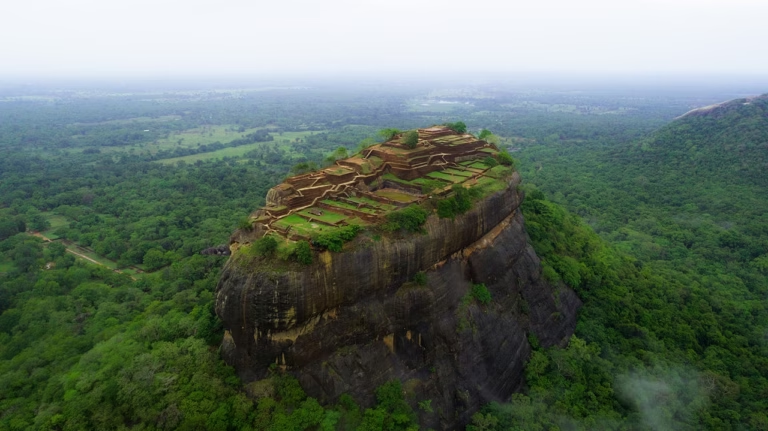
Sigiriya is Sri Lanka’s iconic 5th-century rock citadel and one of the country’s most important UNESCO World Heritage Sites. Rising about 180 metres above the surrounding plain, the site combines royal ruins, ancient water gardens, frescoes, the Mirror Wall, the Lion Gate and a summit palace into one of the strongest cultural experiences for first-time foreign visitors to Sri Lanka.

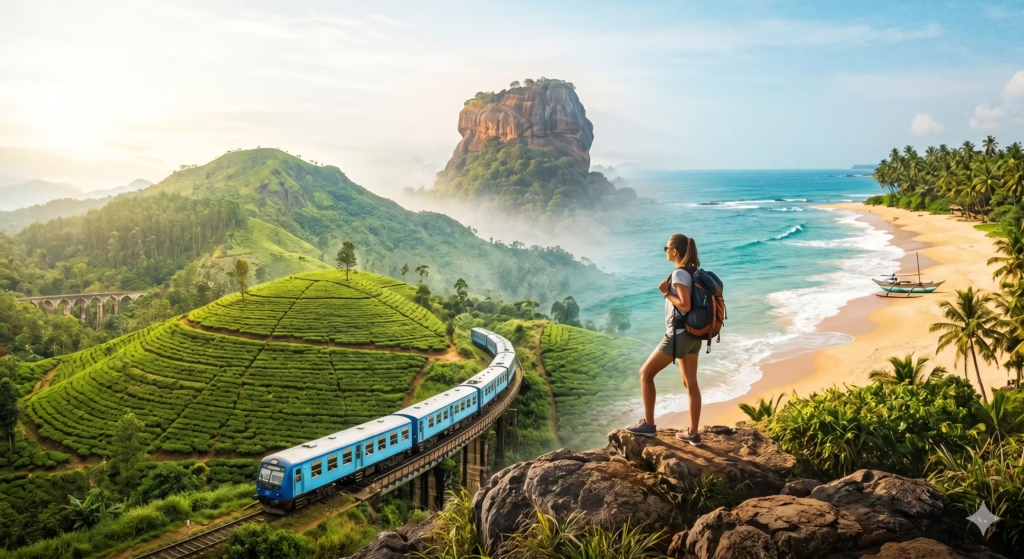
Sigiriya is Sri Lanka’s iconic 5th-century rock citadel and one of the country’s most important UNESCO World Heritage Sites. Rising about 180 metres above the surrounding plain, the site combines royal ruins, ancient water gardens, frescoes, the Mirror Wall, the Lion Gate and a summit palace into one of the strongest cultural experiences for first-time foreign visitors to Sri Lanka.
Tell us what you loved about our ThaproVibe. It helps other travelers explore Sri Lanka better.