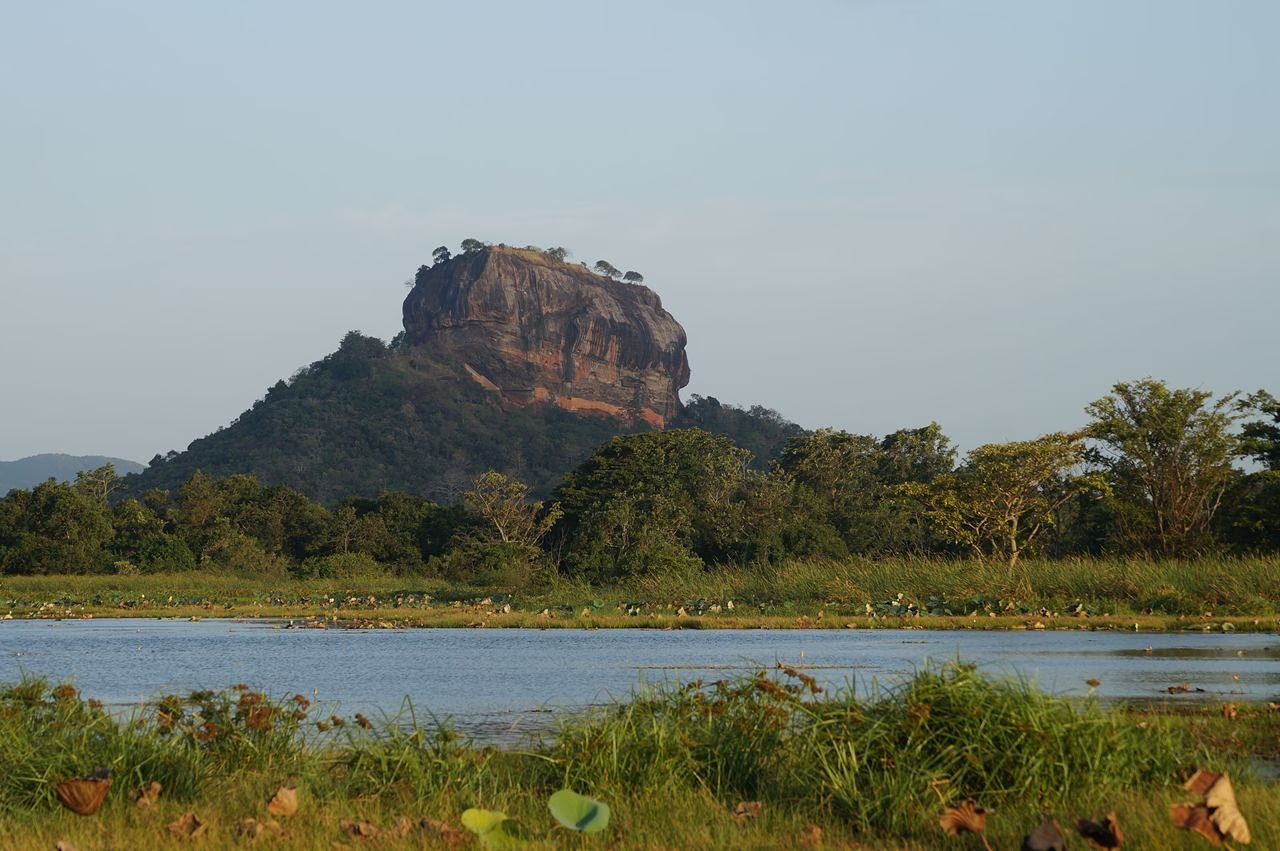
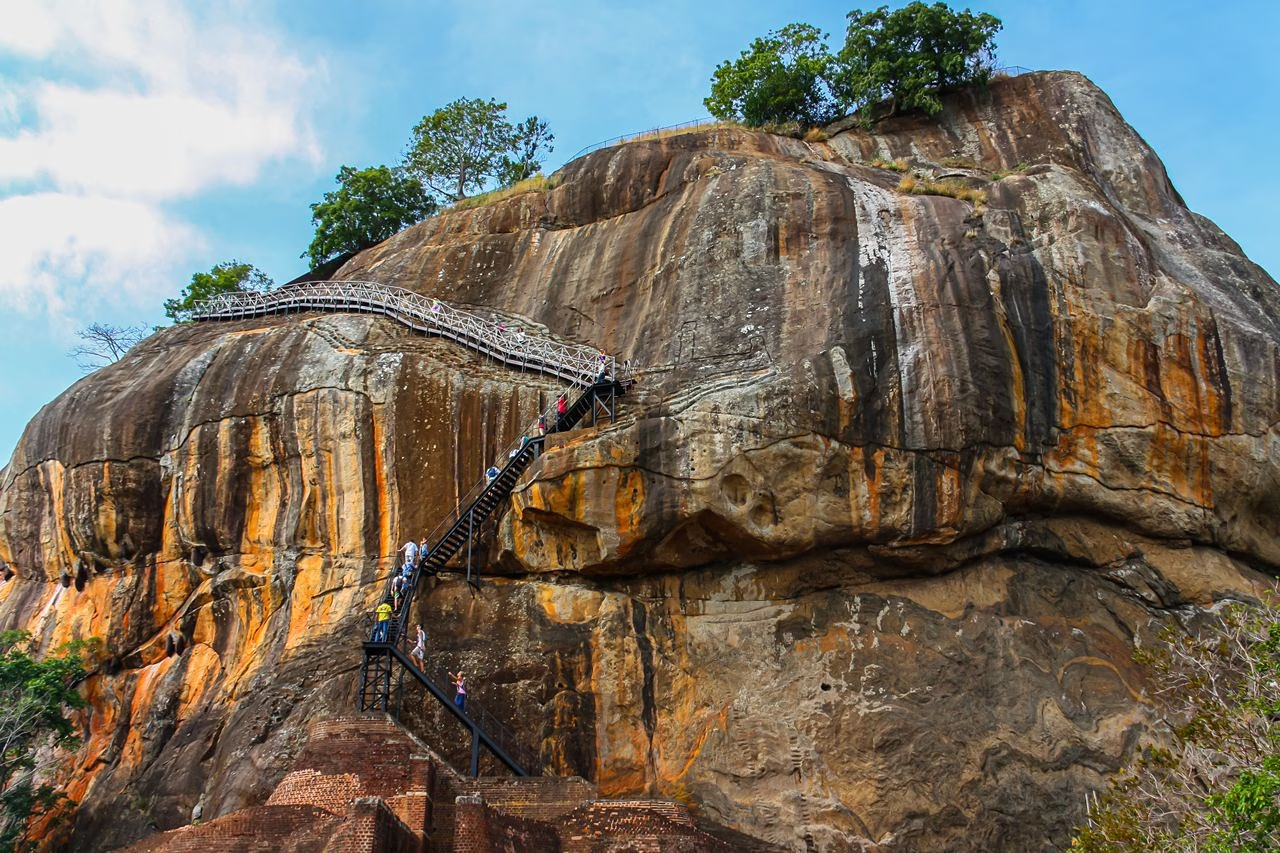
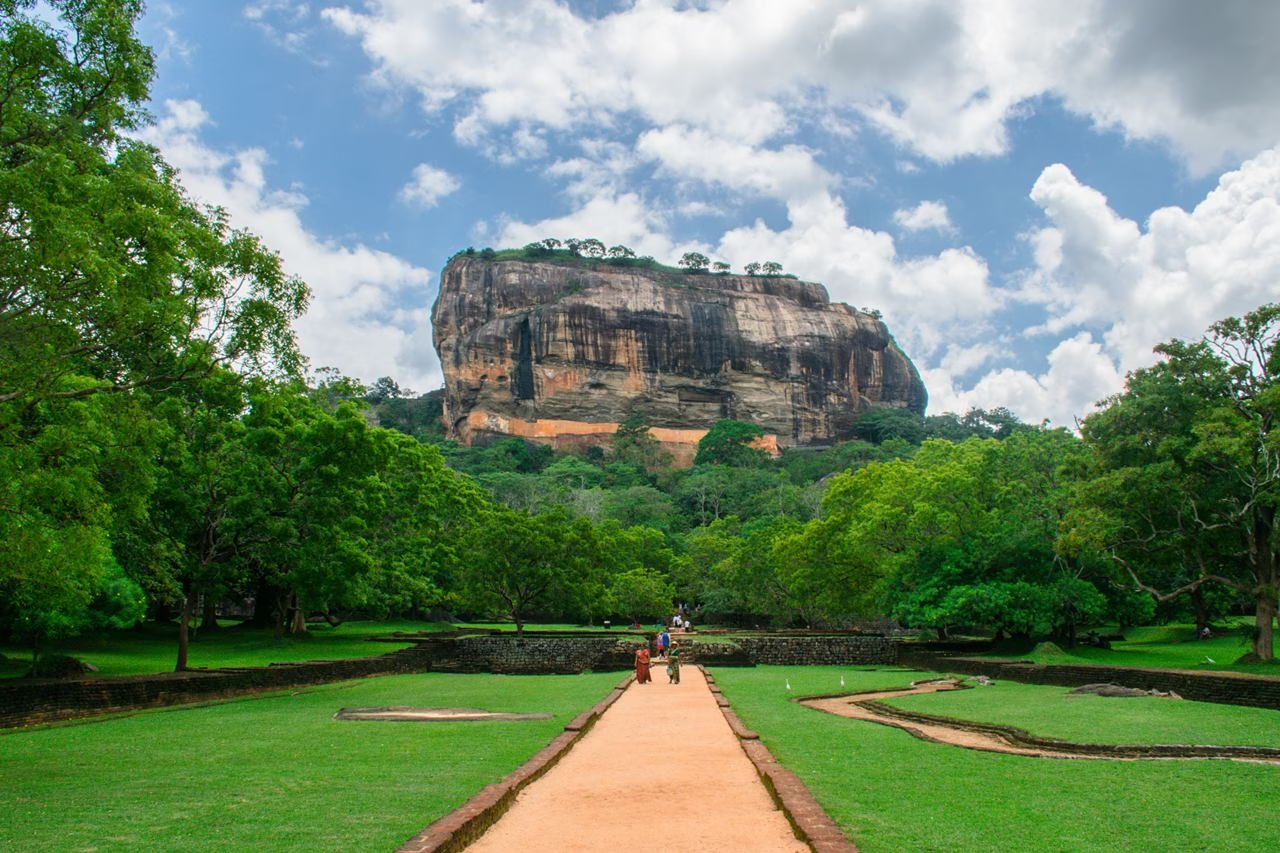
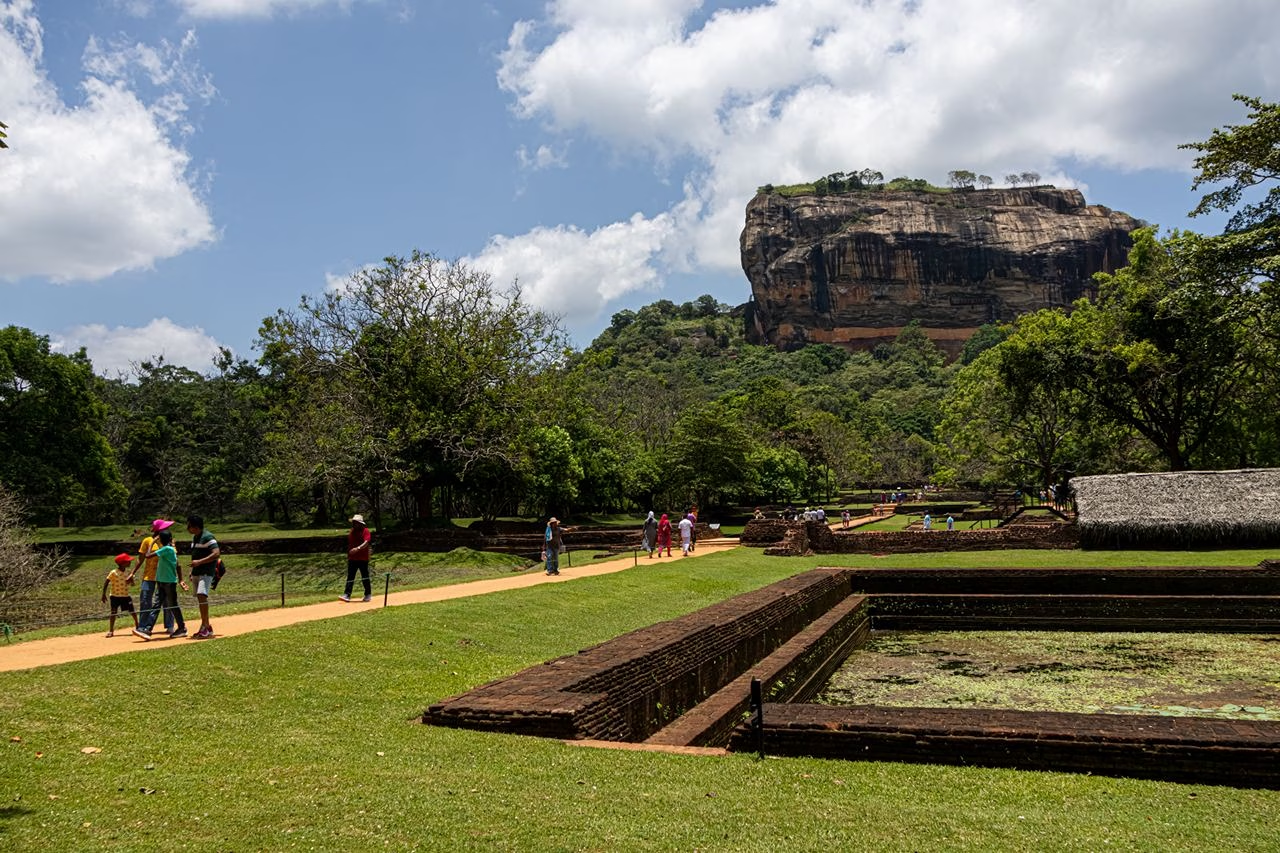
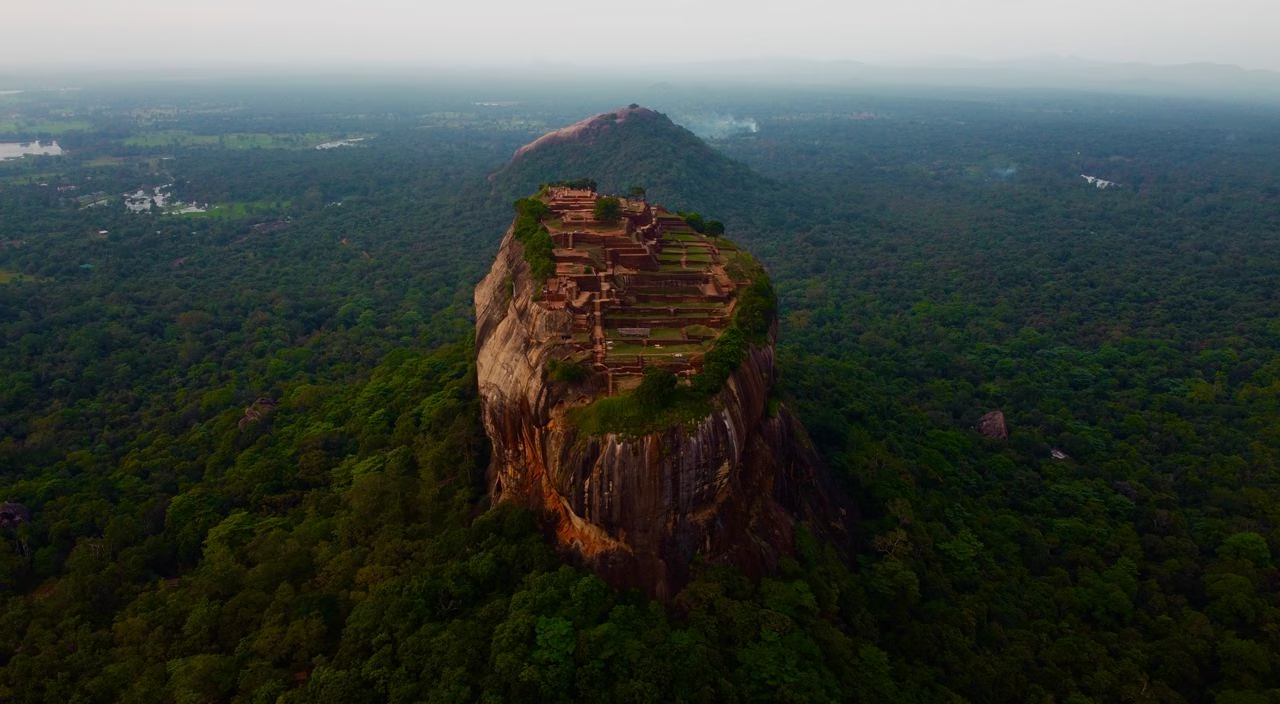
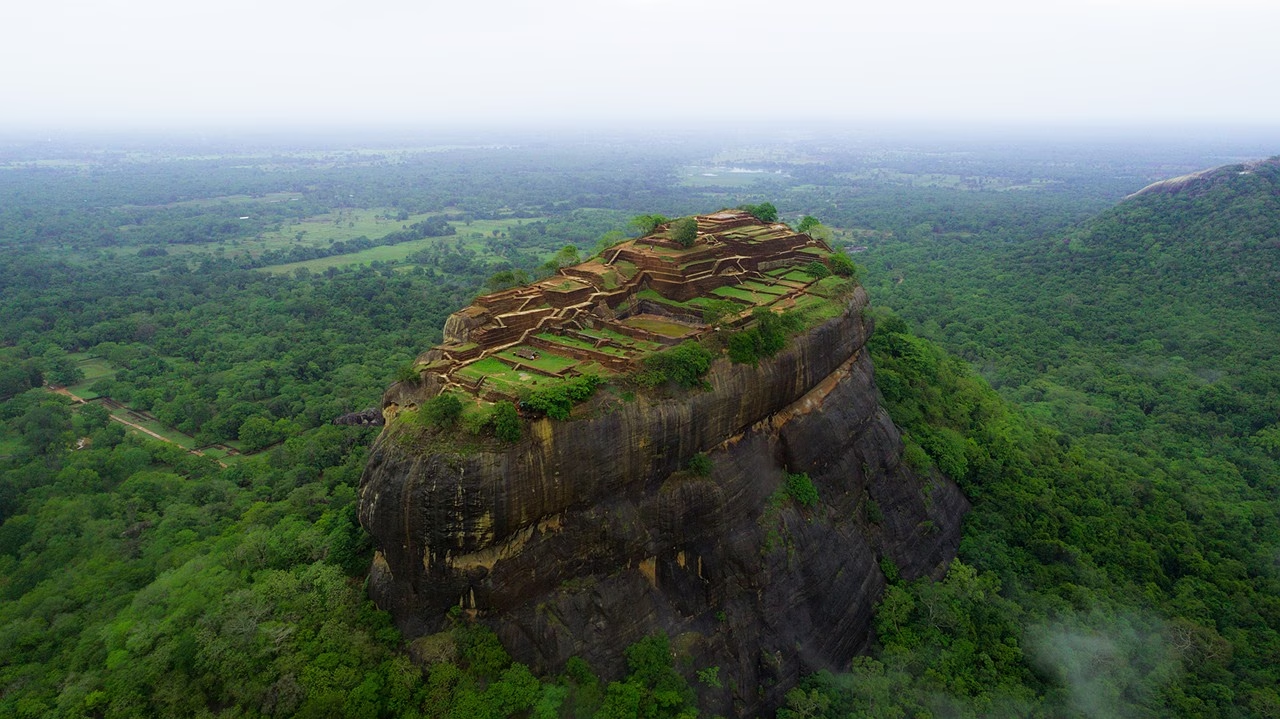
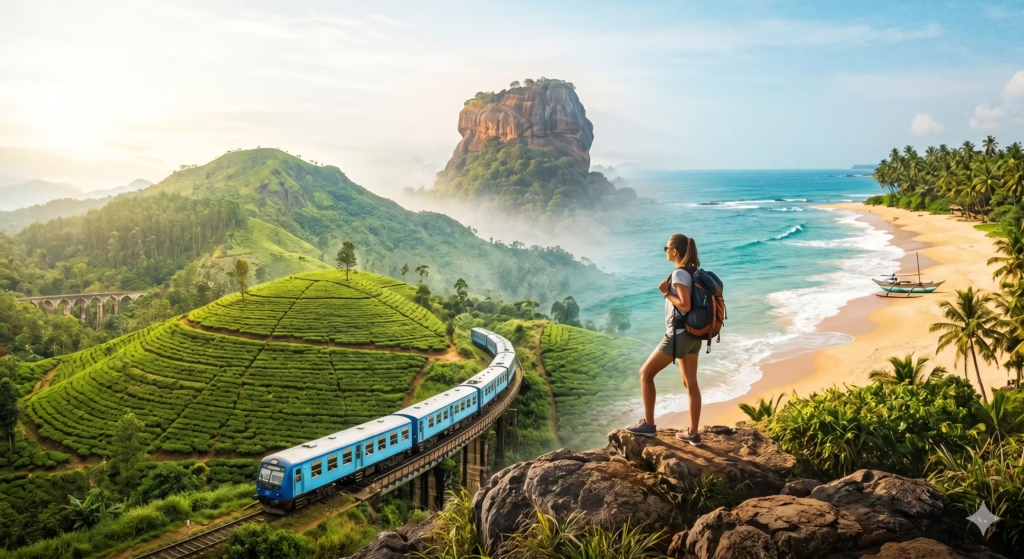
Sigiriya is Sri Lanka’s iconic 5th-century rock citadel and one of the country’s most important UNESCO World Heritage Sites. Rising about 180 metres above the surrounding plain, the site combines royal ruins, ancient water gardens, frescoes, the Mirror Wall, the Lion Gate and a summit palace into one of the strongest cultural experiences for first-time foreign visitors to Sri Lanka.
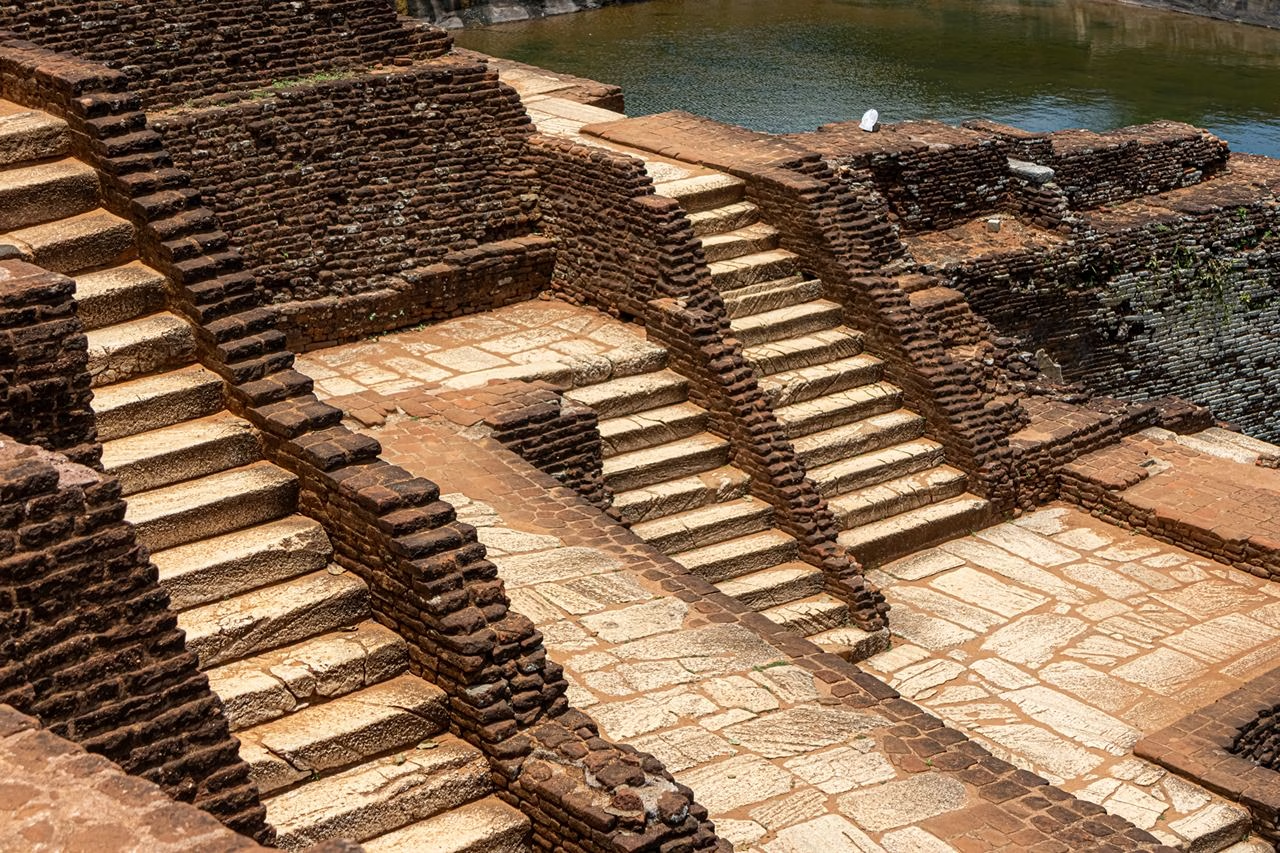
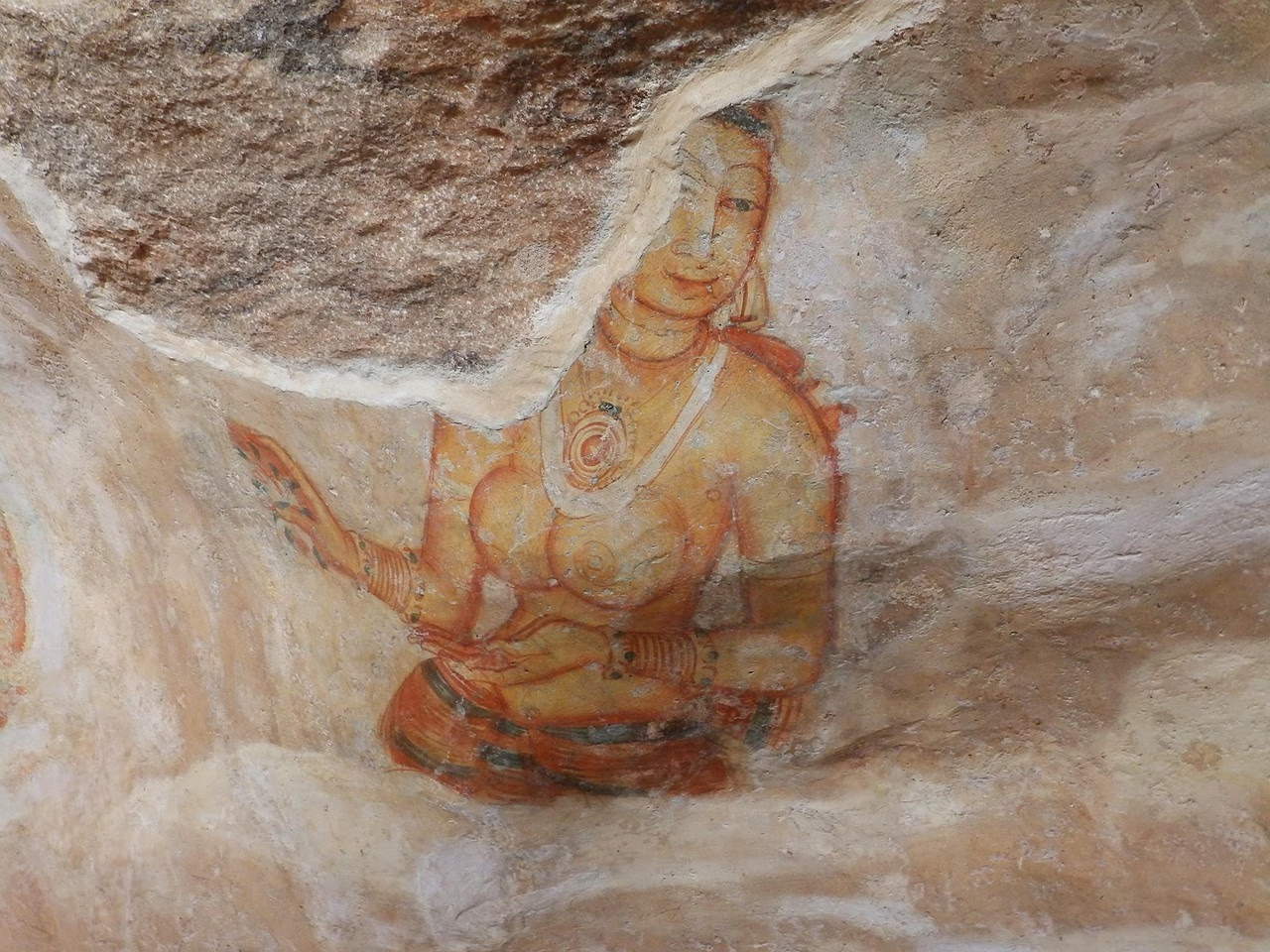
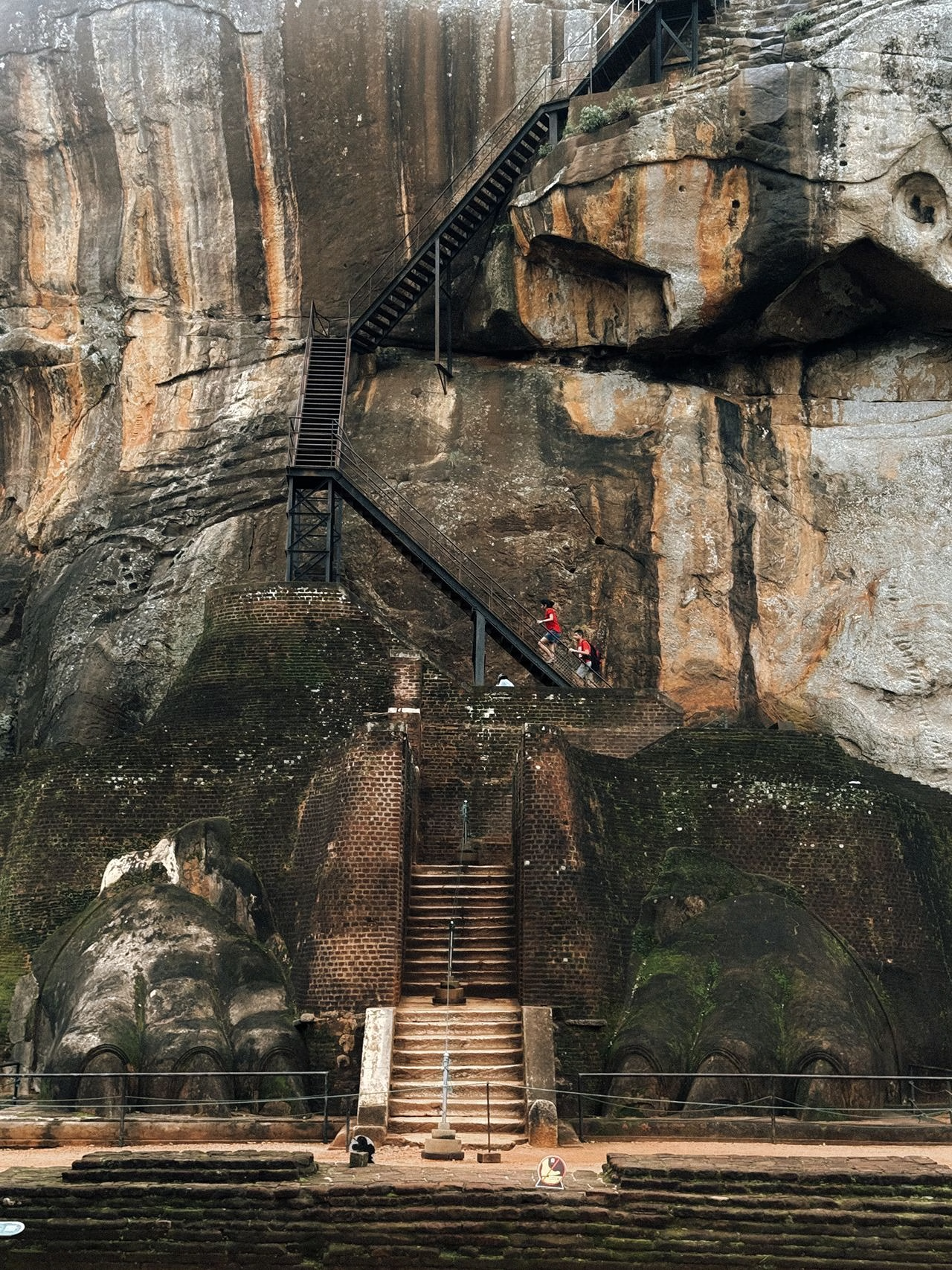
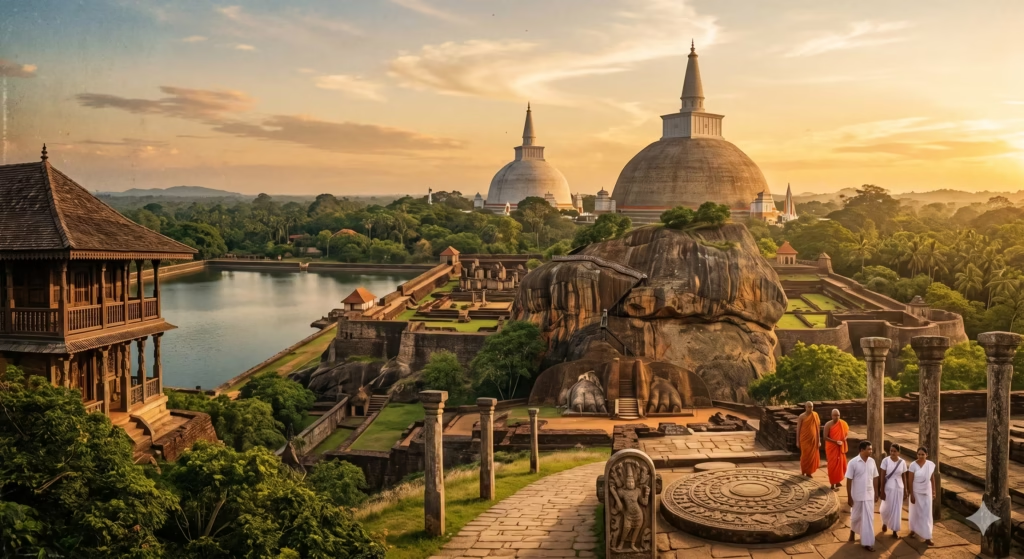
Sigiriya, also called Lion Rock, was developed as a royal capital by King Kassapa I in the late 5th century. UNESCO describes the citadel as occupying the slopes and summit of a granite peak around 180 metres high, with galleries and stairways once associated with a monumental lion gateway. The wider archaeological city is just as important as the summit: moats, ramparts, landscaped water gardens, boulder gardens and terraced gardens show sophisticated urban planning and hydraulic engineering. Visitors also encounter the famous frescoes, the Mirror Wall and the surviving lion paws before reaching the palace ruins and panoramic summit views.
For most travelers, early morning is the most comfortable time to visit because the exposed climb becomes hotter later in the day. Late afternoon can also be pleasant if you allow enough time to enter, climb and return before closing. Rain can make stone and metal steps slippery, while midday heat can make the ascent significantly harder.
Do not treat Sigiriya as only a summit climb. Allocate time for the museum/archaeological interpretation and the Water, Boulder and Terraced Gardens so the page delivers the full UNESCO-site experience rather than only a viewpoint.
Sigiriya is roughly 17 km from Dambulla according to Central Province Tourism. Bus, tuk-tuk, taxi or private vehicle can be used; a direct vehicle is easiest for an early start.
Habarana is a practical nearby transport and accommodation base. Use a tuk-tuk, taxi or private vehicle to reach the official Sigiriya visitor/ticket entrance.
Travel north toward Matale and Dambulla before continuing to Sigiriya. For independent travelers, this is best planned as a transfer day or Cultural Triangle stay rather than a rushed Kandy day trip.
For a first Sri Lanka itinerary, Sigiriya is normally easier as an overnight Cultural Triangle stop than as a same-day return trip. Link this route to ThaproVibe itinerary and transport guides.
The climb includes long stairways, steep sections and exposed heights. Wear secure footwear, carry water, protect yourself from sun and avoid rushing. Take extra care after rain. Visitors with serious mobility, vertigo, cardiovascular or heat-related concerns should assess whether the summit climb is suitable for them. Follow all site staff instructions, barriers and one-way visitor controls.
Sigiriya is a protected archaeological and UNESCO heritage site. Never write on the Mirror Wall, touch frescoes, climb restricted ruins, remove stones or enter closed areas. Follow photography restrictions, keep noise low near sensitive sections and carry all rubbish out.
UNESCO describes the granite peak as about 180 metres high above the surrounding landscape.
Early morning is generally the most comfortable because the climb is exposed and can become very hot later in the day.
The Central Cultural Fund provides official online heritage-site ticketing. Prices and operating details can change, so check the official CCF page before visiting.
The Water Gardens, Boulder Gardens, Terraced Gardens, frescoes, Mirror Wall and Lion Gate are major parts of the Sigiriya experience.
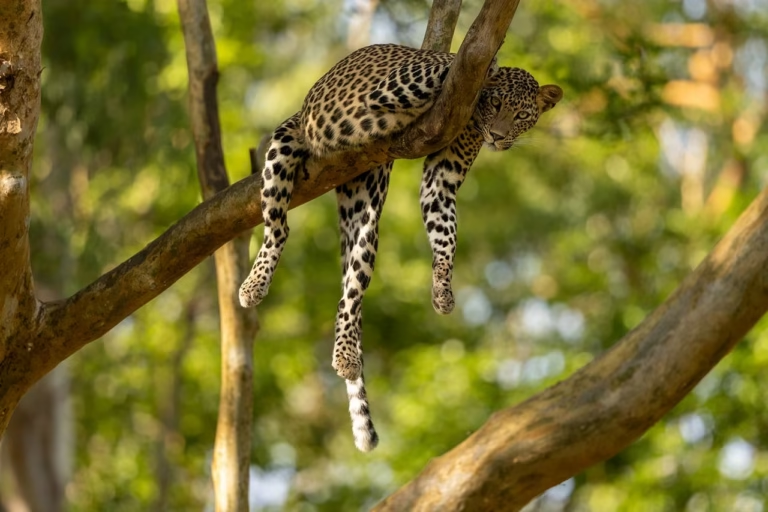
Sri Lanka’s iconic wildlife destination, famous for leopards, elephants, diverse birdlife and unforgettable safari experiences across a dramatic dry-zone landscape. Yala is one of the best places in Sri Lanka for travelers who want to experience the island beyond beaches, mountains and ancient cities.
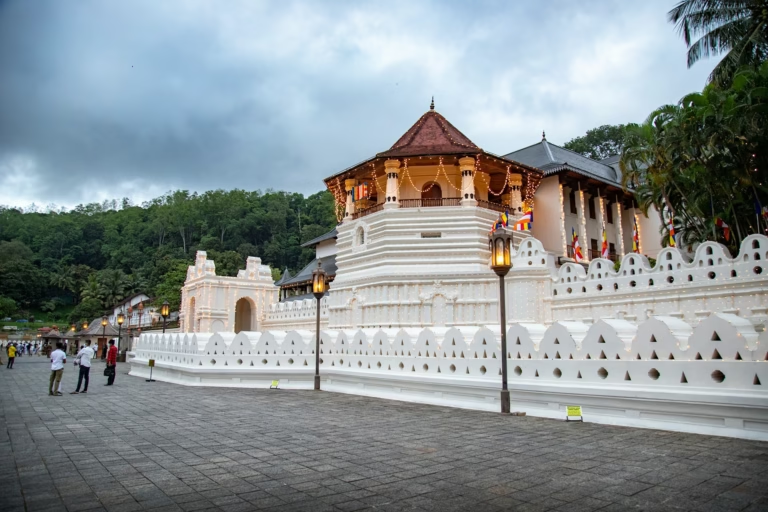
Kandy’s most important sacred landmark and the spiritual heart of the UNESCO-listed Sacred City. The temple attracts Buddhist pilgrims from around the world and gives foreign travelers a direct introduction to Kandyan history, architecture and living religious tradition.

Sri Lanka’s iconic wildlife destination, famous for leopards, elephants, diverse birdlife and unforgettable safari experiences across a dramatic dry-zone landscape. Yala is one of the best places in Sri Lanka for travelers who want to experience the island beyond beaches, mountains and ancient cities.
Kandy’s most important sacred landmark and the spiritual heart of the UNESCO-listed Sacred City. The temple attracts Buddhist pilgrims from around the world and gives foreign travelers a direct introduction to Kandyan history, architecture and living religious tradition.
Tell us what you loved about our ThaproVibe. It helps other travelers explore Sri Lanka better.