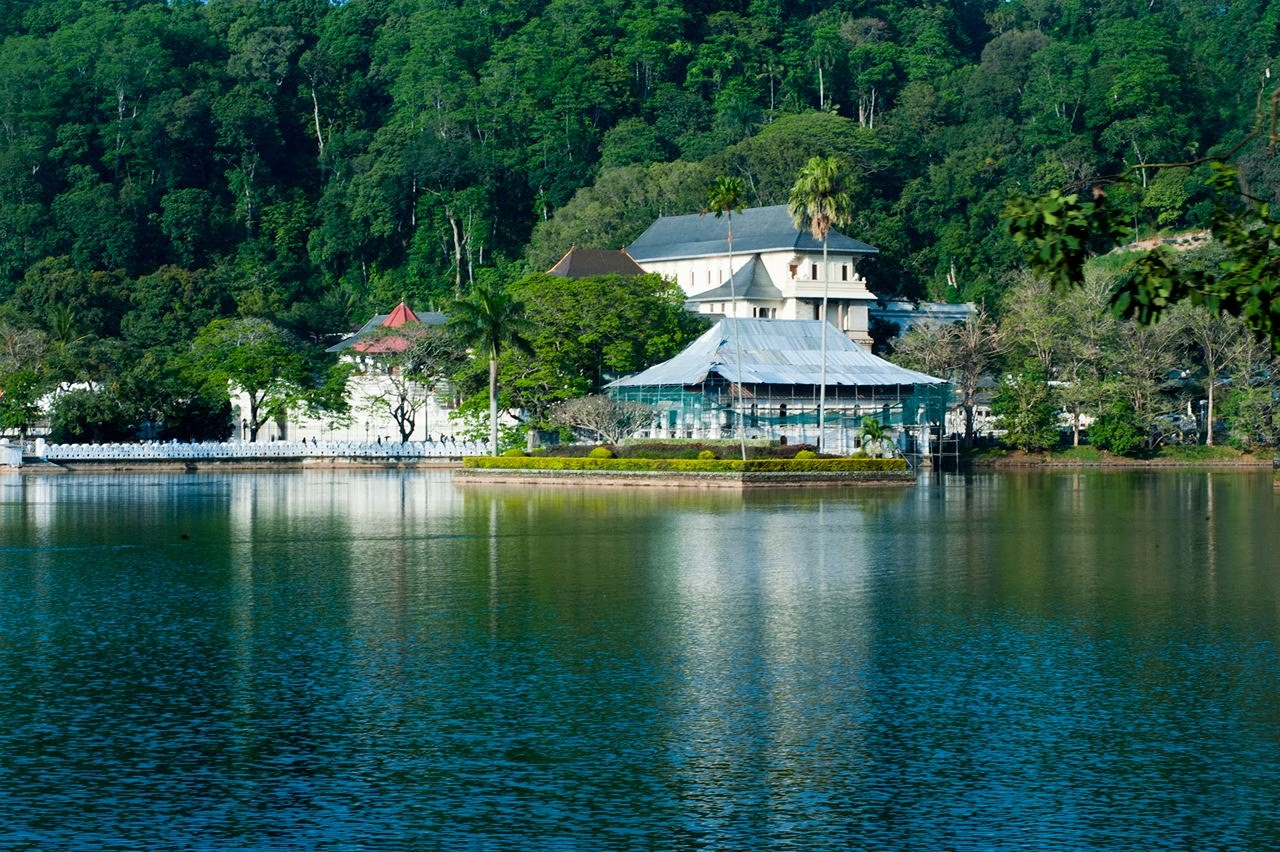
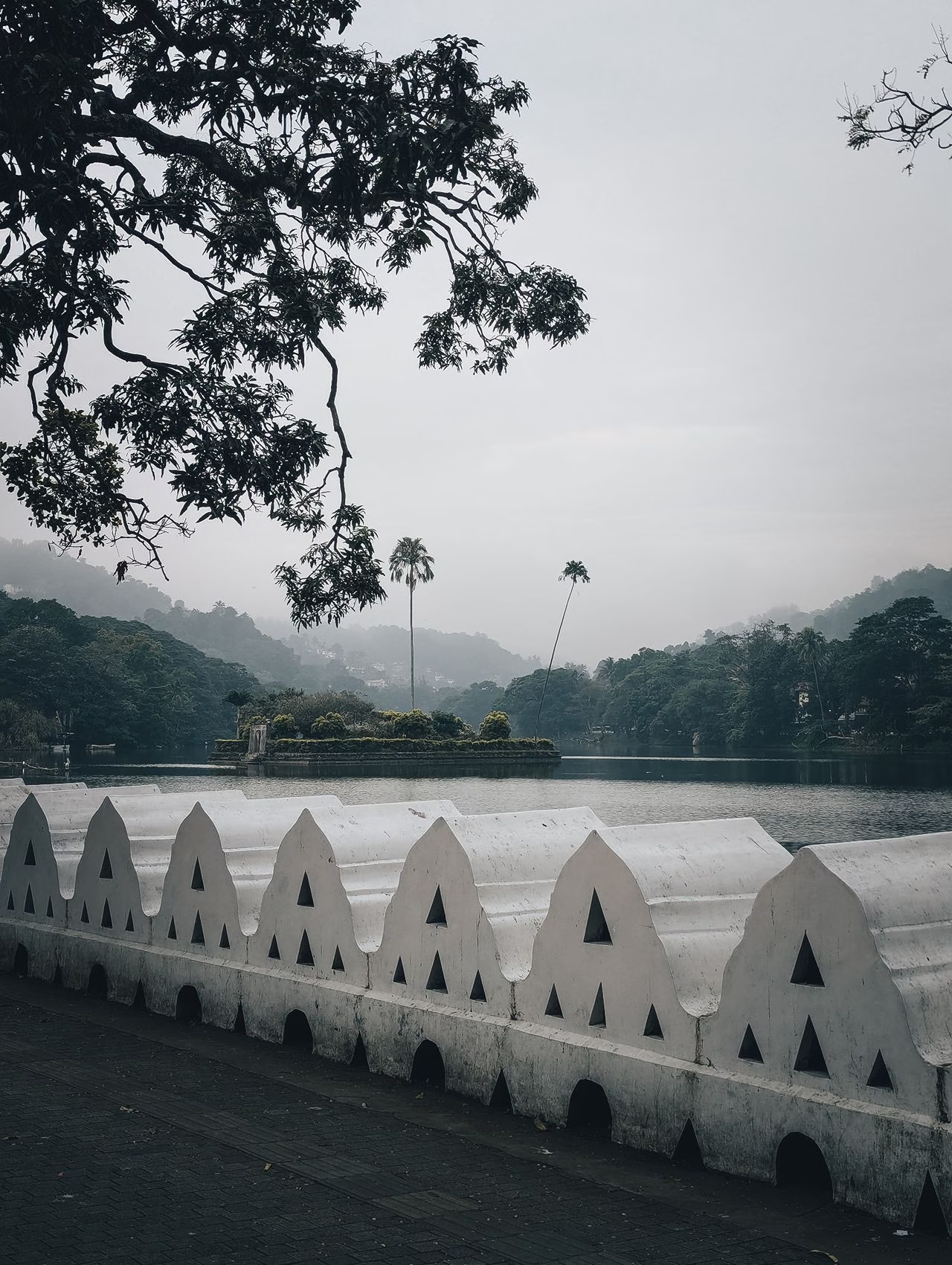
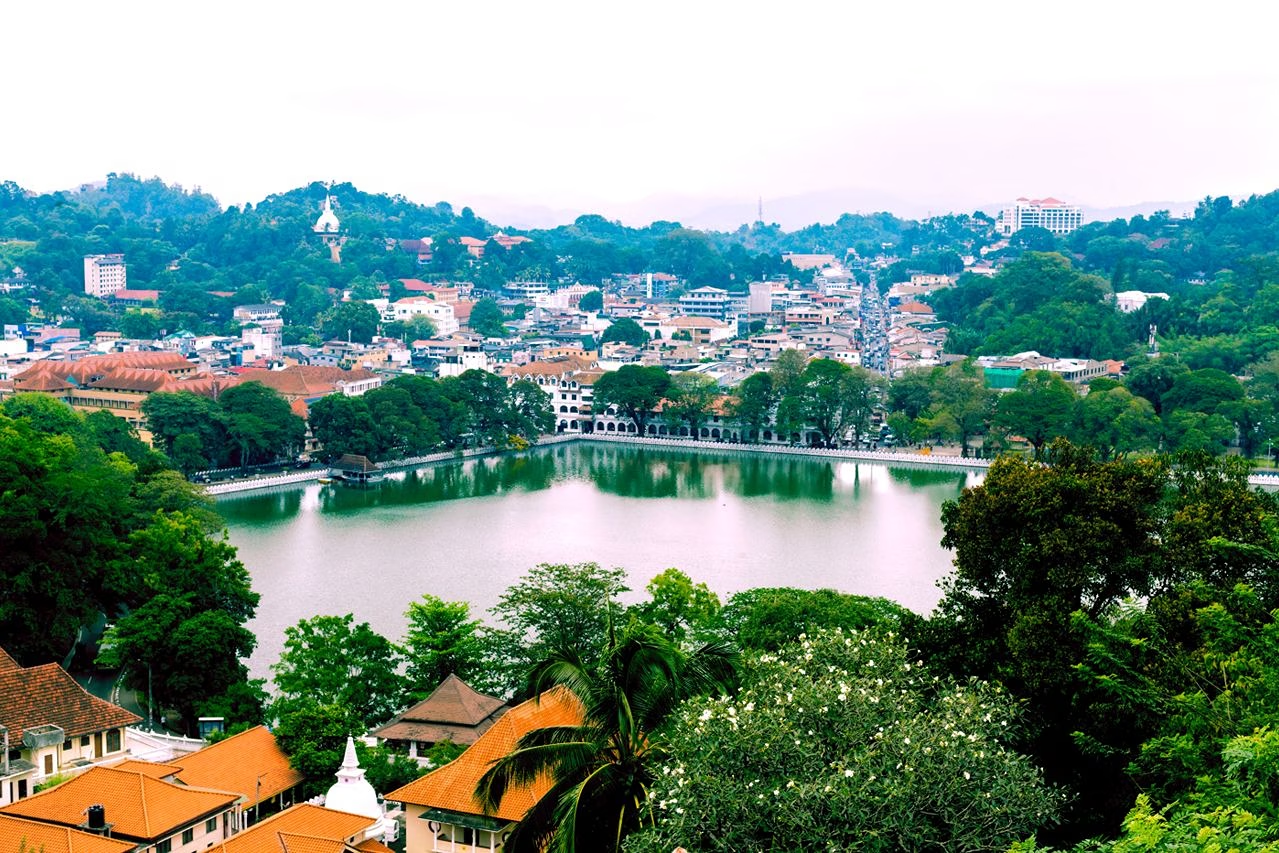
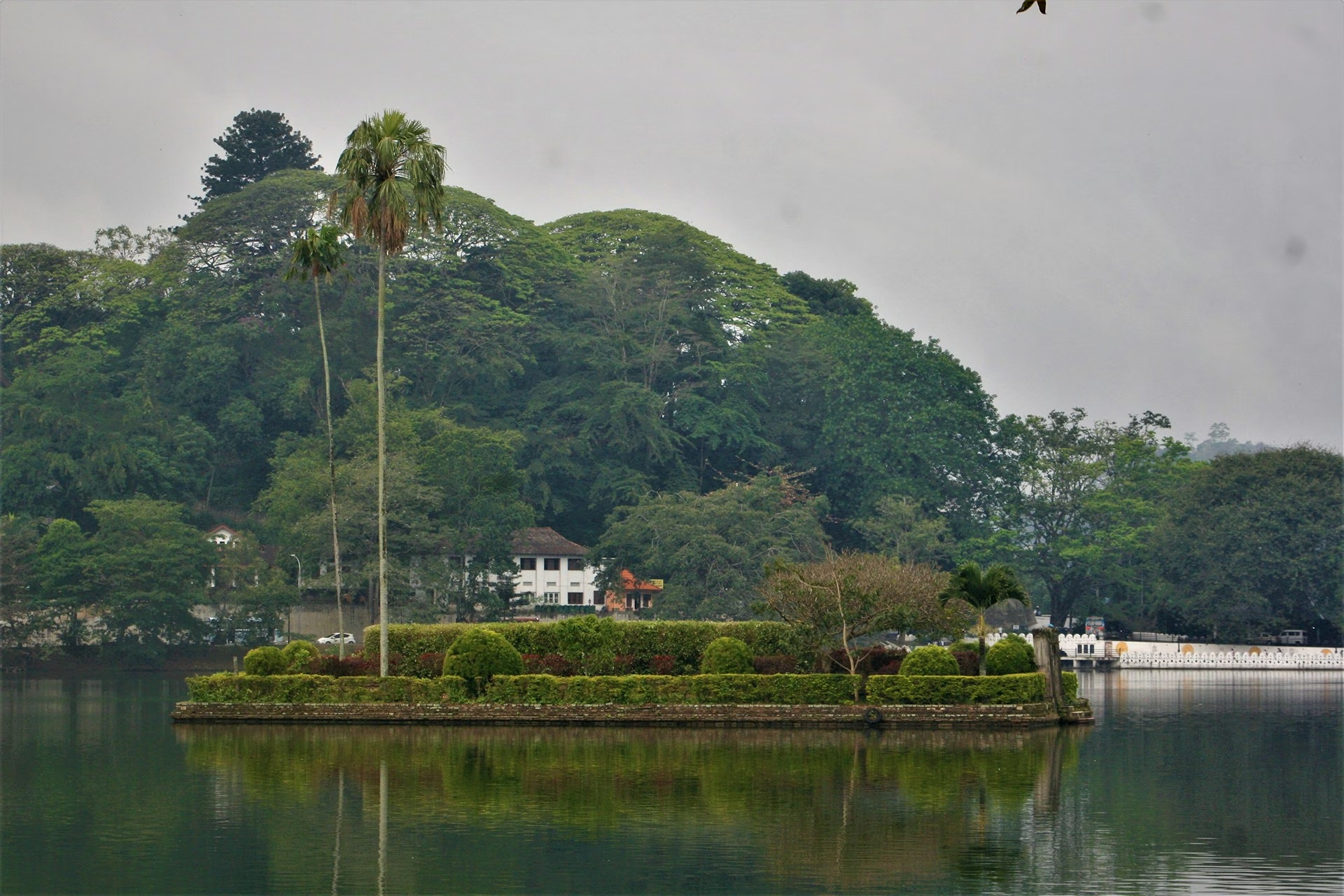
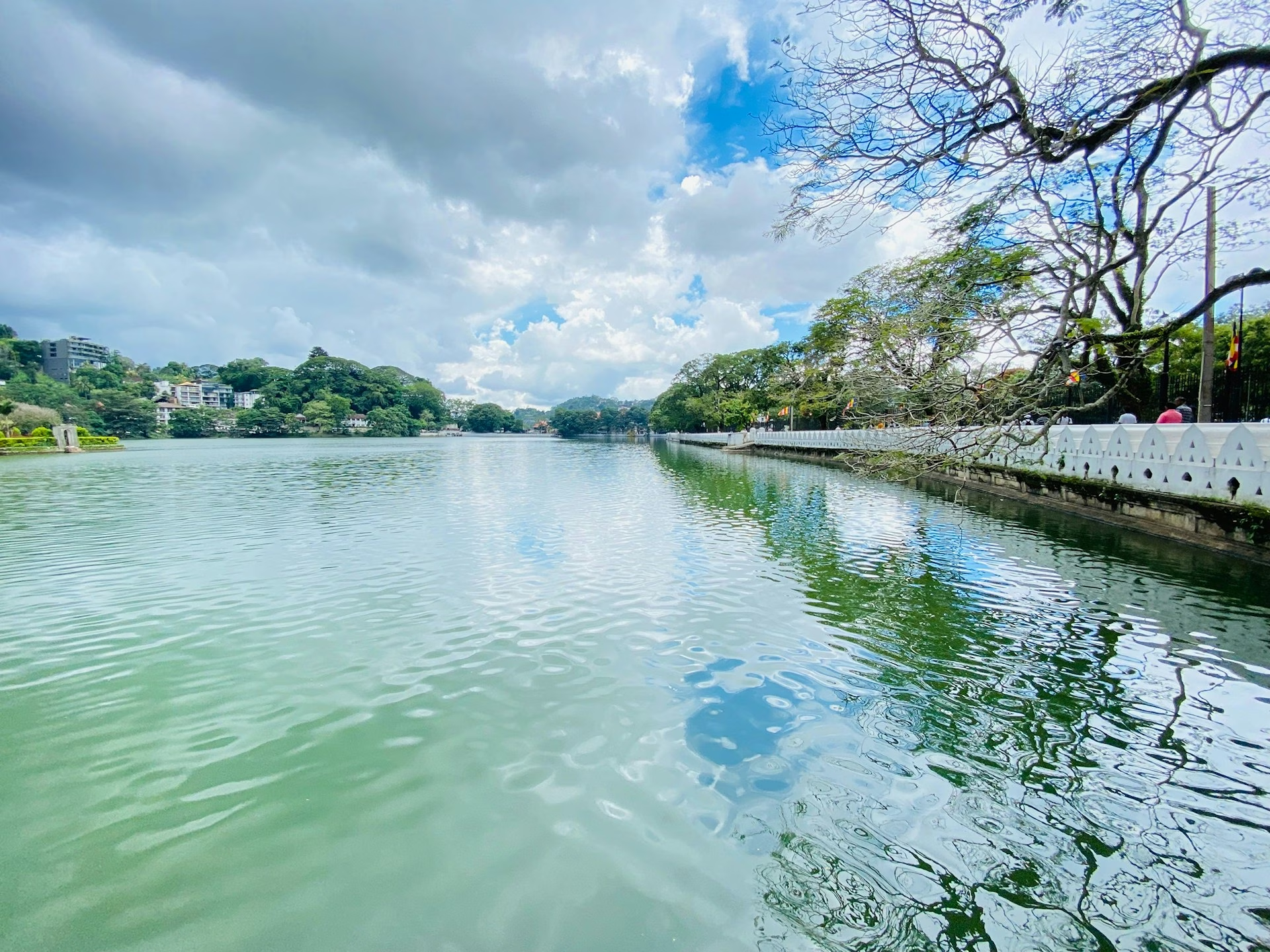
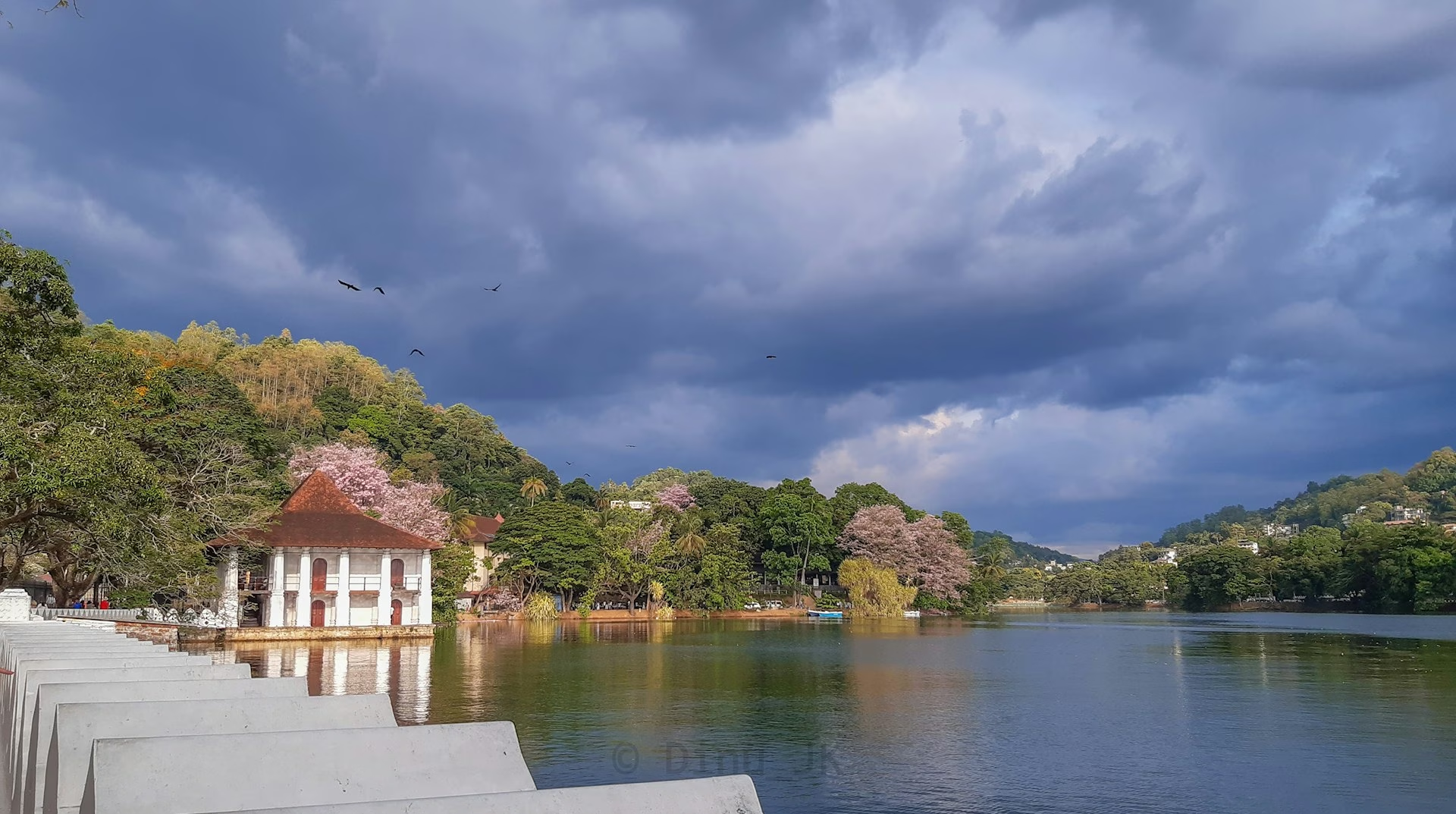
The scenic lake at the heart of Kandy, directly beside the Temple of the Sacred Tooth Relic. A lakeside walk is one of the easiest ways for foreign travelers to experience the city’s historic center, mountain setting and everyday local atmosphere.
Kandy Lake, also known as Kiri Muhuda or the Sea of Milk, is an artificial lake created in 1807 by King Sri Wickrama Rajasinghe, the last king of Kandy. It forms the visual center of the old city beside the Temple of the Sacred Tooth Relic and the former royal complex. The lake is best experienced slowly on foot, with views toward the temple, wooded hills and historic buildings around the shoreline.
Early morning is cooler and quieter, while late afternoon gives softer light and a more active local atmosphere. Avoid the hottest part of the day if you plan to walk a large section of the lake.
Use the lake walk as a connector between nearby Kandy attractions instead of treating it as an isolated stop.
The lake begins immediately beside the temple complex, making it easy to combine both attractions on foot.
Walk or take a short tuk-tuk ride toward the historic center and lakefront.
Use pedestrian paths where available and take care beside busy roads around parts of the lake. Avoid isolated sections late at night and follow local signs around protected areas.
Do not feed wildlife or throw rubbish into the lake. Keep the lakeside clean and respect nearby religious sites.
No. It is an artificial lake created in 1807 by King Sri Wickrama Rajasinghe.
The public lakeside areas can be enjoyed without a standard entrance ticket.
Allow around 30–60 minutes for a relaxed partial walk; a full circuit can take longer.
Early morning or late afternoon is usually more comfortable.
The Temple of the Tooth, National Museum and Malwathu Maha Viharaya are all nearby.
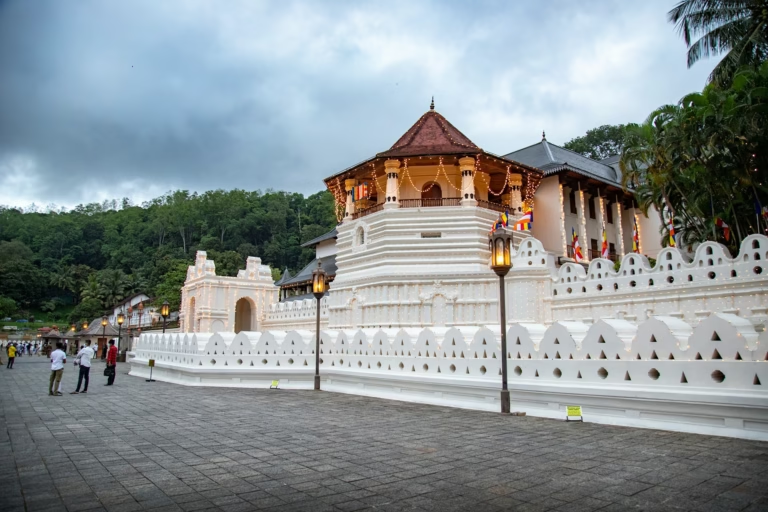
Kandy’s most important sacred landmark and the spiritual heart of the UNESCO-listed Sacred City. The temple attracts Buddhist pilgrims from around the world and gives foreign travelers a direct introduction to Kandyan history, architecture and living religious tradition.
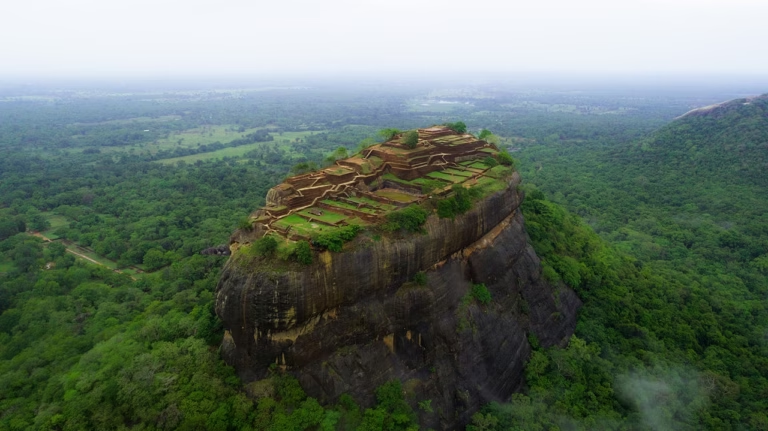
Sigiriya is Sri Lanka’s iconic 5th-century rock citadel and one of the country’s most important UNESCO World Heritage Sites. Rising about 180 metres above the surrounding plain, the site combines royal ruins, ancient water gardens, frescoes, the Mirror Wall, the Lion Gate and a summit palace into one of the strongest cultural experiences for first-time foreign visitors to Sri Lanka.

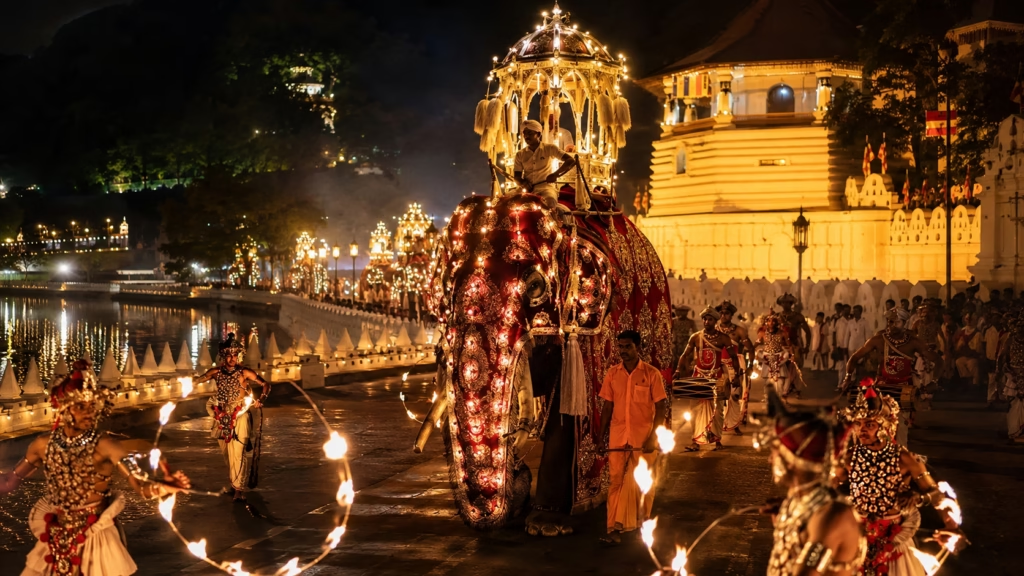
Kandy’s most important sacred landmark and the spiritual heart of the UNESCO-listed Sacred City. The temple attracts Buddhist pilgrims from around the world and gives foreign travelers a direct introduction to Kandyan history, architecture and living religious tradition.
Sigiriya is Sri Lanka’s iconic 5th-century rock citadel and one of the country’s most important UNESCO World Heritage Sites. Rising about 180 metres above the surrounding plain, the site combines royal ruins, ancient water gardens, frescoes, the Mirror Wall, the Lion Gate and a summit palace into one of the strongest cultural experiences for first-time foreign visitors to Sri Lanka.
Tell us what you loved about our ThaproVibe. It helps other travelers explore Sri Lanka better.